Table Of Content
- Musicals at the Hollywood Bowl
- Kristine Marie Designs
- Bulbous Bow
- What Is the Best Type of Bow and Arrow?
- Want to remember this? Save this tutorial on How to Tie a Perfect Bow to your favorite Pinterest Board!
- Crafting the Perfect Arrows
- Bow Embroidery design Girl Bow Machine Emroidery designs Bow Pattern Instant Download 4x4 Stickdatei Schlieife

Especially, in the case of ships with fuller forms, components of Wave Breaking Resistance become significant, while ships with a slender and a more curved form have less Wave Making Resistance. Maritime Page is your go-to source for all things related to the maritime industry, from personal watercraft to the largest seagoing cargo ships and cruise vessels. We have seen the technical and design aspects of the bow and why it is an important part of a vessel.
Musicals at the Hollywood Bowl
I made the bow by designing and building my own riser from 3 different types of exotic woods to give me a great look once complete. I used skis as the arms because of the flex and it was much easier then forming my own arms, though I may now attempt that. Finally, add the ribbon pieces at the bottom and separate the brad posts to hold it all together.
Kristine Marie Designs
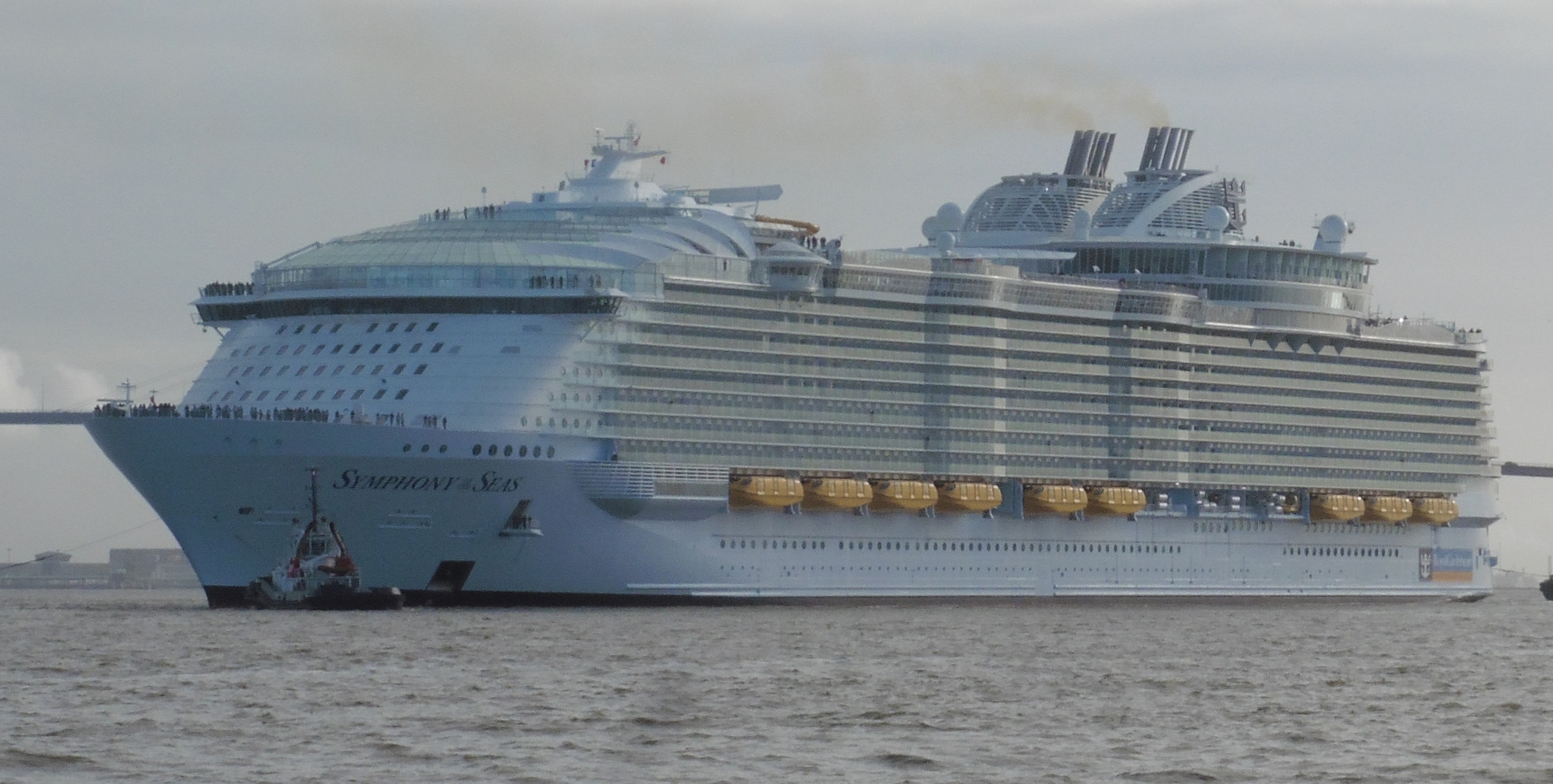
The vast majority of the vessels that ply nowadays have a similar bow on a ship as mentioned above. The right selection as always depends on the functionality and the aesthetic features which complement the entire design. A bulbous bow is effective in reducing resistance, improving fuel economy, and decarbonizing the maritime industry. It modifies the flow around the vessel, reduces slamming effects, and serves as a bumper in collisions. The bow of a ship refers to the foremost part of the vessel, which is the section that is first noticed when the ship approaches. It serves as both an aesthetic feature and plays a significant functional role in reducing resistance on the vessel.
Bulbous Bow
This type of bow, characterized by its protruding bulb shape, is now commonly found on modern cruise ships, container ships, LNG carriers, and research vessels. The bulbous bow not only improves hydrodynamic efficiency but also reduces fuel consumption and enhances overall sailing performance [3]. The spoon bow, on the other hand, is designed with a curved shape that smoothly transitions from hull to bow, reducing the disturbance of water flow around the ship. This design is popular for its aesthetic appeal and is prevalent in pleasure crafts and smaller watercraft. While this shape may not provide the same stability as the clipper or axe bows in rough conditions, it offers a combination of aesthetics and practicality for the users. A well-designed bow will not only improve the vessel's performance but also contribute to a safer and more comfortable journey for crew and passengers.
What Is the Best Type of Bow and Arrow?
At the end of the spring 2024 term, Frayer will take his final bow after 28 years of teaching in UNLV's College of Fine Arts. While the lighting magic he's created on stage may be lowering, his impact on students will continue. We often don't realize how beautiful our landscape can be if we just paid little attention to it. Beauty of our landscapes depends largely on bow creatively we design/redesign it. Little do we know that it can be breathtakingly beautiful with the right combination of hardscape and softscape. At Garden and Design, we are best at doing just that for you at reasonable prices.
Use a tillering string to assess the bend and make adjustments as needed, gradually working towards a balanced and efficient bow. Choose your perfect bow and customize the look of almost every component with our online tool. This has its disadvantages as well because a ship with an axe bow requires more power from the rudder while maneuvering. A bulbous bow would be detrimental to efficiency if used on smaller watercraft and thereby never used on powerboats, sailing boats, yachts, and other recreational boats. A bulbous bow increases the buoyancy of the front part and thereby decreases some of the up and down motion of the ship.
Disney Cruise Line adds Capt. Minnie Mouse to bow of Disney Treasure - Orlando Sentinel
Disney Cruise Line adds Capt. Minnie Mouse to bow of Disney Treasure.
Posted: Fri, 16 Feb 2024 08:00:00 GMT [source]
Types of Bows – Guide to Various Archery Bow Designs
Before we delve into the intricacies of crafting a bow and arrow, it’s essential to understand the importance of a well-made set of archery equipment. A high-quality bow and arrow are the foundation of accurate and consistent shots. Once you’ve chosen the bow type, selecting the right materials becomes the next vital step. The axe bow used in ships has a similar task too, that is cutting through the water. In bulbous bows, there is a protruding bulb at the bow just below the waterline.

Crafting the Perfect Arrows
The profile tapers out gradually mostly from the highest point being the waterlines and the lowest point being the stern. The parabolic bow has a parabolic profile and is a functional part of the overall design. The curved bottom helps in improving the hydrodynamics parameters of the hull. It has close characteristics with the cylindrical hull and works best when combined with a bulb.
Form three loops by making a circle with each ribbon and gluing the ends together with hot glue. Place the ribbon loops on the long piece so the middle of the loops is in the middle of the long ribbon piece. Then wrap the rectangle, unglued side out, around the center of the bow and ribbon piece together and glue the ends together. Pinch the layers together under the loop and place a zip tie through the loop and around the pinched layers. Recurve bows are also the only bow type allowed in every archery discipline including all World Archery events. The bowstring can be attached directly to your bow’s limbs, or it can be attached to cams that spool and unspool your bowstring as needed.
The design of the bow affects the resistance a vessel faces while moving through water, thereby impacting the vessel's speed and efficiency. Several factors influence the choice of bow design, including the type of vessel, its intended purpose, and industry trends. The bow's shape and dimensions depend on the type of ship and its function. Some commonly used bow shapes include flared, raked, and inverted bows each, designed for specific performance factors such as enhancing the vessel's speed, reducing spray, or increasing buoyancy 2.
Also called the reversed bow, it has a profile in the shape of most a curve which extends from the keel as the frontal point towards the deck. The bulbous bow also helps in reducing slamming effects which have a direct relation to structural aspects and also serves as a bumper in events of Collison. They are normally designed for a specific speed range and cannot be found in pleasure vessels like yachts as they constantly change their speed of operation. In larger vessels, wave-making resistance is more profound than in slender hulls which add on to a majority of the total hull resistance. The bow of the ship plays the role of primary contact with the oncoming waves and helps in intersecting the water in an efficient manner to reduce the resistance components.
Sometimes only designing a parabolic shape for a ship hull is not enough, you have to see the flow around the hull and for this, give it a typical rounded form like a normal round bilged hull. This staple of ship designs today was said to have been discovered rather than being invented. Military towing tests in the USA showed that for a boat model having a torpedo discharge pipe extending forward also lowered the resistance. Now, this requires the design to be such that the components of ship resistance are kept less.
In summary, the bow design greatly impacts a ship's performance, safety, and efficiency in different conditions. Ships navigating in areas with continuous slopes or rough seas require a bow design that can handle the unpredictable wave impacts. The axe bow is a suitable choice in such conditions, with its slender, elongated form allowing the ship to maintain speed and stability while minimizing the slamming effect caused by large waves. Lastly, parabolic bows, used in some modern tankers, have a parabolic profile that improves hydrodynamics. With similar characteristics to cylindrical hulls, this bow design can effectively decrease wave resistance, improve sea-keeping, and increase vessel efficiency when combined with a bulb. Clipper bows are another design often found on yachts, as well as traditional sailing vessels.